
Summit Blog

All pest control companies claim to be fast, safe, and effective. But the differences only surface after you have signed the contract, when the warranty gets tested, the technician changes without notice, or the treatment plan turns out to be the same approach used at every home on the route. Knowing how to choose an exterminator starts with knowing what to look for in pest control before any money changes hands.

Most homeowners meet their attic wildlife by ear. A scratch overhead around dusk, a thump above the bedroom ceiling, then silence for a few days before it starts again. By the time those noises register as a pattern, a squirrel or raccoon has usually been settling in for weeks, drawn by the steady warmth and soft insulation that make an attic the most appealing shelter available once temperatures drop. Homeowners in Fletcher, Mills River, Arden, and Hendersonville run into this every fall, particularly on wooded lots and in newer neighborhoods built right up against the tree line.
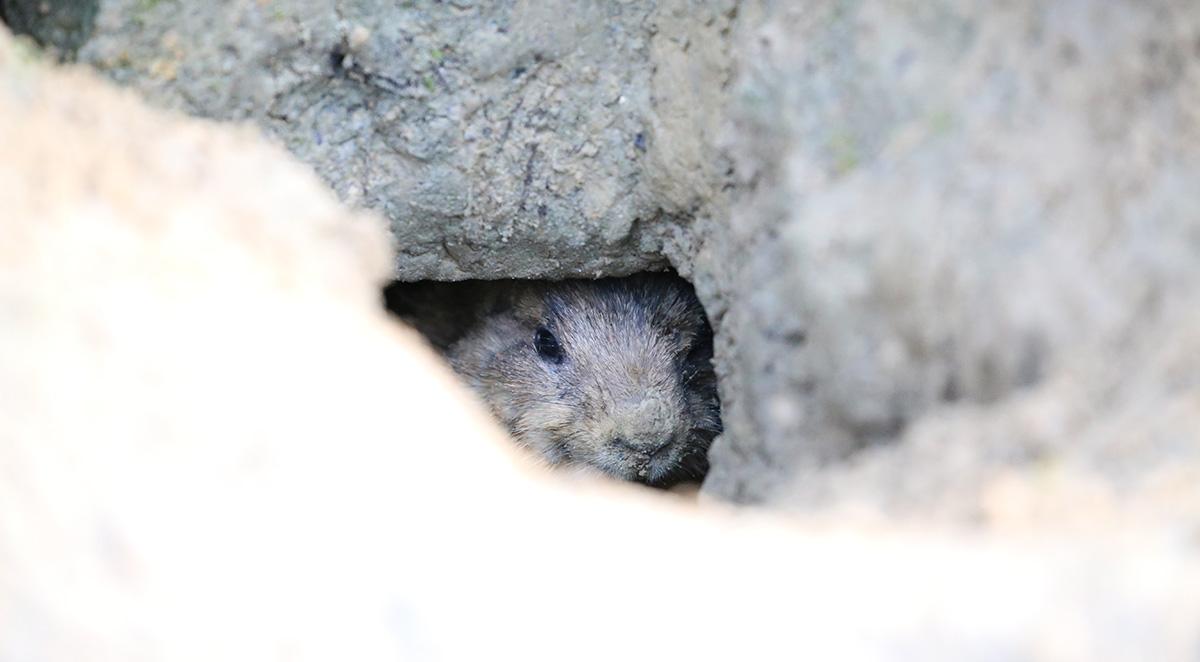
Rodent activity climbs sharply every fall, as mice and rats start searching for a warm, dry place to ride out the cold months. The good news is that rodent problems are largely preventable. This guide walks you through how rodents get in, where they hide, why they matter for your family's health, and how to decide between handling the problem yourself or bringing in a professional.
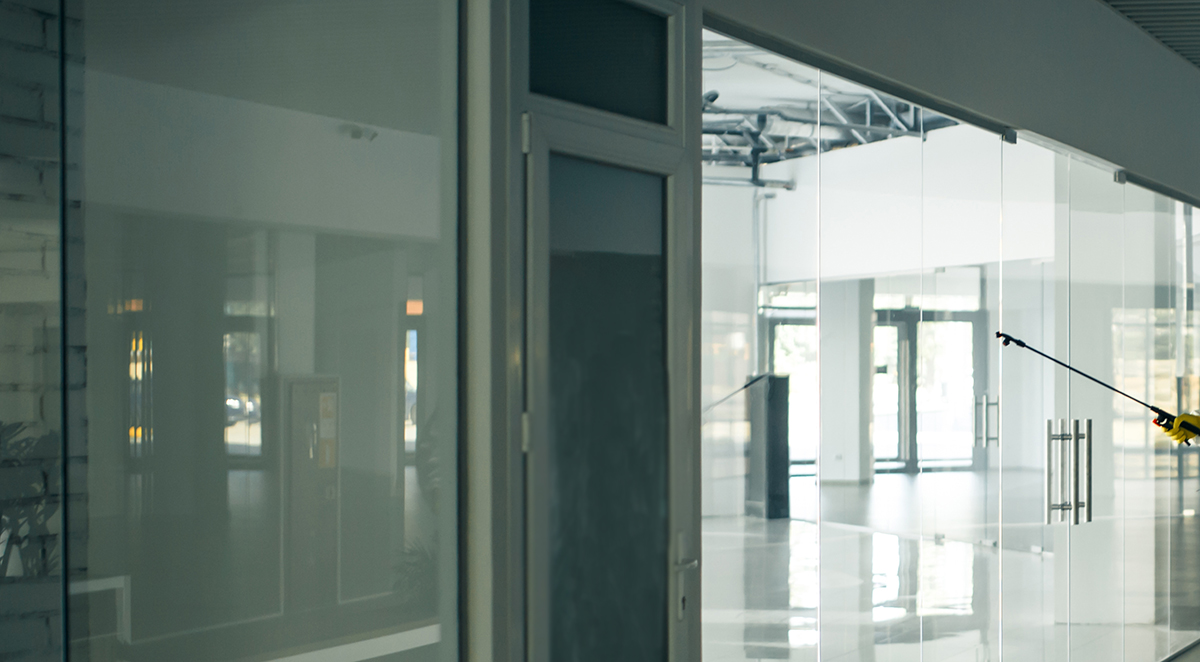
Whether you operate a restaurant in Asheville, manage an office building in Henderson County, or oversee a warehouse in Mills River, a pest problem can threaten your reputation, your revenue, and your ability to stay compliant with health and safety regulations.