
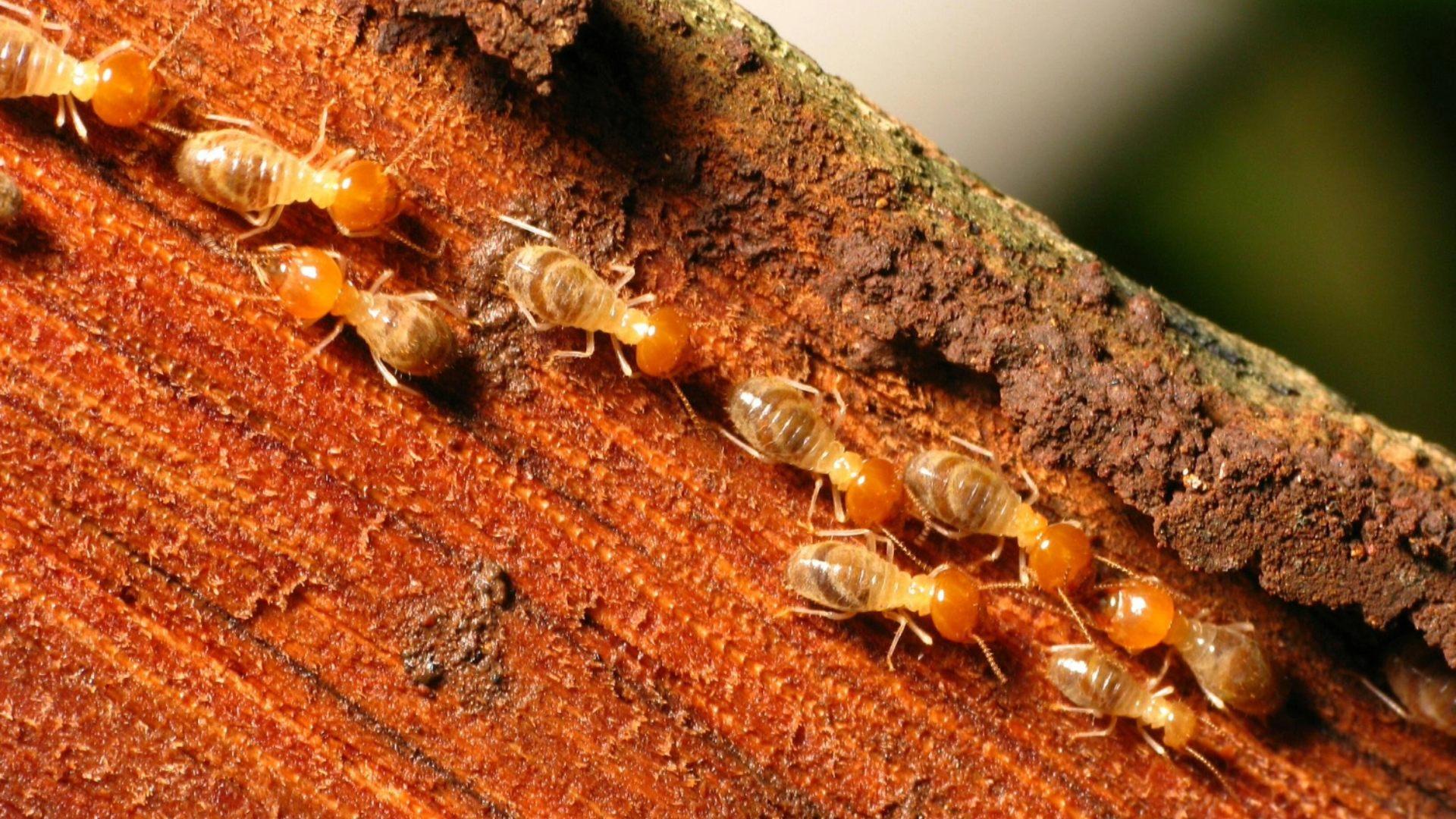
That brief, easy-to-miss event is a termite swarm, and it's one of the most important warning signs a homeowner can encounter. A swarm near or inside your home means a mature, established termite colony is nearby, possibly directly beneath your foundation. For homeowners in Mills River, Fletcher, and Arden, where mountain humidity, wooded lots, and older construction create ideal termite conditions, understanding what swarms mean and how to respond can save thousands of dollars in structural damage.
Quick Summary
Termite swarms occur each spring when mature colonies release winged reproductive termites to start new colonies. In Western NC, swarm season typically runs from late March through May. A swarm near your home, especially inside it, is a strong indicator of an existing infestation. Eastern subterranean termites are the most common species in the region, and WNC's humidity and rainfall create conditions where they thrive. If you see a swarm or find discarded wings, schedule a professional inspection immediately. Summit Pest Solutions offers free termite inspections and comprehensive termite protection across Buncombe, Henderson, and Transylvania Counties.
What Is a Termite Swarm and Why Should You Care?
A termite swarm is a natural part of a colony's life cycle. When a subterranean termite colony reaches maturity, typically after three to five years, it produces a special caste of winged reproductive termites called swarmers. On a warm day following rainfall, these swarmers leave the colony by the hundreds or thousands, take a brief flight, pair off, shed their wings, and attempt to establish new colonies in nearby soil.
The swarm itself isn't the threat. Swarmers don't eat wood and they don't cause damage. What they signal is the threat: a colony that has been growing underground for years, likely feeding on wood within its foraging range. If that range includes your home's foundation, floor joists, or subfloor, the damage may already be well underway.
The location of the swarm matters enormously:
- Outdoor swarms in a mulch bed or wooded area are worth monitoring but don't necessarily mean your home is infested.
- Indoor swarms, where you find winged termites or shed wings near windows, doors, light fixtures, or bathrooms, are a much stronger signal that the colony has direct access to your home's structure.
When Termites Swarm in Western North Carolina
Swarm timing varies across North Carolina based on elevation, temperature, and moisture. In the Piedmont and coastal regions, swarms can begin as early as late February. In the mountains of Western NC, cooler temperatures and higher elevation push swarm season later, typically from late March through May.
The trigger is predictable: a warm day, usually mid-70s or above, following a period of rain. The moisture softens the soil for exit, and the warmth signals that conditions are right for flight. In the Mills River, Fletcher, and Arden areas, this pattern usually aligns with mid-spring, though unseasonably warm stretches in March can produce earlier swarms.
A few timing details worth knowing:
- Swarms tend to happen during daylight hours, often late morning or early afternoon
- They're brief, typically lasting less than an hour
- Many homeowners miss the swarm itself and only find the evidence afterward: piles of translucent, equal-length wings near windows, doorframes, or baseboards
- If you find wings but didn't see the swarm, the information is just as valuable; save a sample and schedule an inspection
Indoor swarmers that appear during cooler months, particularly near heating vents or in bathrooms, may indicate a colony close enough to your home's heat source to produce swarmers out of season. These off-cycle events warrant immediate professional evaluation.
Swarmer or Flying Ant? How to Tell the Difference
Termite swarmers and flying ants appear around the same time of year and look similar enough to cause confusion. Telling them apart matters because the treatment for each is completely different.
Three reliable ways to distinguish them:
|
Feature |
Termite Swarmer |
Flying Ant |
|
Wings |
Four wings, all equal length, extending well past the body |
Four wings, front pair noticeably longer than back pair |
|
Waist |
Broad, straight waist with no visible pinch |
Distinctly narrow, pinched waist |
|
Antennae |
Straight and beaded, like a string of tiny pearls |
Elbowed, with a clear bend |
If you're not sure what you're looking at, collect a few specimens in a sealed plastic bag. Any pest control professional can identify them in seconds. Don't spray or vacuum them before collecting a sample, as the physical characteristics are what make identification possible.
Why Western NC Homes Are Especially Vulnerable
Western North Carolina sits in one of the more active termite zones in the eastern United States. Abundant rainfall, high relative humidity, heavily wooded surroundings, and mountain topography that traps moisture all create conditions where eastern subterranean termites can thrive year-round.
Several factors specific to the Mills River, Fletcher, and Arden areas increase risk.
Older Homes with Wood-to-Soil Contact
Many homes built before modern building codes were fully enforced have wooden structural elements in direct contact with soil: porch posts set into the ground, wooden siding extending below the soil line, or form boards left in place after foundation work. Subterranean termites travel through soil and exploit any point where wood touches dirt.
Crawl Spaces with Poor Ventilation
Much of the housing stock in Henderson and Buncombe Counties features crawl space foundations. When these spaces lack adequate ventilation or vapor barriers, humidity builds and creates exactly the damp conditions termites seek. This is one reason Summit Pest Solutions emphasizes the connection between moisture control and termite prevention. Solving the moisture problem often significantly reduces termite risk.
Wooded Lots and Heavy Landscaping
Mature tree canopy and natural surroundings are part of what makes neighborhoods like High Vista in Mills River and Cliffs at Walnut Cove in Arden so appealing. But they also put homes in closer proximity to natural termite habitat. Common attractants to be aware of include:
- Mulch beds against foundations
- Stacked firewood near the house
- Old tree stumps and decorative timbers
- Untreated wood in contact with soil
New Construction on Disturbed Soil
When land is cleared and graded for development, existing termite colonies aren't eliminated. They're disrupted and redirected. Homes in growing communities like TapRoot, Livingston Farms, SouthChase, and Riverstone in Fletcher can attract termite activity within the first few years as displaced colonies seek new food sources. A termite protection plan should be part of any new homeowner's move-in checklist.
What to Do If You See a Termite Swarm
Seeing a swarm can be alarming, but the response should be methodical rather than panicked.
- Collect a sample. Gather several swarmers or shed wings in a plastic bag or jar. This allows a professional to confirm whether they're termites or flying ants.
- Note the location. Inside or outside? Which room, which window, which side of the foundation? This helps a technician focus the inspection.
- Don't spray. Retail insecticide will kill individual swarmers but have zero effect on the colony. Some products can temporarily redirect activity, making the colony harder to locate during inspection.
- Schedule a professional inspection. A trained inspector will examine the home's foundation, crawl space, and interior for mud tubes, damaged wood, frass, and moisture conditions. For real estate transactions, this may be conducted as a WDI (Wood-Destroying Insect) report.
- Don't wait for visible damage. Termites work from the inside out. By the time surface damage is visible, the interior of that beam, joist, or sill plate may be extensively hollowed.
If you've seen a swarm, contact Summit Pest Solutions for a free termite evaluation.
Termite Prevention That Works Year-Round
The best termite strategy is preventive, not reactive. Homeowners who take a few proactive steps significantly reduce their risk and catch problems earlier when they do occur.
Schedule Annual Inspections
This is the single most effective thing a homeowner can do. A licensed professional should inspect the property at least once a year, ideally in late winter or early spring before swarm season. Annual inspections are especially important for:
- Homes over 20 years old
- Homes with crawl space foundations
- Properties surrounded by mature trees or heavy landscaping
Address Moisture Issues
Termites need moisture to survive. Steps that reduce moisture around your home also reduce termite risk:
- Fix grading that directs water toward the foundation
- Repair leaking gutters and downspouts
- Ensure crawl space ventilation is adequate
- Consider crawl space encapsulation for long-term humidity control
Summit offers moisture control services specifically designed for WNC homes. Many homeowners find that combining termite protection with moisture control delivers better results than either service alone.
Reduce Wood-to-Soil Contact
- Pull mulch back at least six inches from the foundation
- Store firewood at least 20 feet from the house and elevate it off the ground
- Remove old tree stumps, form boards, and any untreated wood sitting on or in soil near the structure
Monitor for Mud Tubes
Eastern subterranean termites build pencil-width mud tubes on foundation walls, piers, and pipes to travel between the soil and wood. Checking your crawl space and foundation walls a few times a year takes five minutes and can catch an infestation before it causes significant damage.
Frequently Asked Questions
How much damage can termites do before I notice?
Termites can feed on a home's structure for years before visible signs appear on the surface. Because they consume wood from the inside out, floor joists, sill plates, and studs can be extensively compromised while the exterior still looks intact. A mature colony of eastern subterranean termites can consume roughly 15 pounds of wood per year, and homes in favorable conditions often host more than one colony. Annual inspections are the most reliable way to catch damage early.
Does homeowner's insurance cover termite damage?
In most cases, no. Standard homeowner's insurance policies in North Carolina exclude termite damage because it's classified as a maintenance issue rather than a sudden event. This makes prevention and early detection critical, since the full cost of structural repair falls on the homeowner. Termite protection plans with annual inspections and treatment warranties are the most cost-effective way to manage this risk.
How often should I have a termite inspection in Western NC?
At minimum, once a year. Homes with known risk factors, such as crawl space foundations, wooded lots, previous termite history, or older construction with wood-to-soil contact, may benefit from inspections every six months. Many homeowners in the Mills River, Fletcher, and Arden areas include termite inspections as part of their annual pest control service.
What's the difference between a termite inspection and a WDI report?
A standard termite inspection is a visual assessment for signs of activity and conditions conducive to infestation. A WDI (Wood-Destroying Insect) report is a standardized document used in real estate transactions that covers all wood-destroying insects, including termites, carpenter bees, carpenter ants, and powderpost beetles. In North Carolina, WDI reports are frequently required by lenders and are typically performed within 30 days of closing. Summit provides both standard inspections and formal WDI reports.
Can I treat termites myself?
Effective termite treatment requires either a liquid barrier applied to the soil around the foundation or a professional bait station system installed at intervals around the perimeter. Both methods require specialized equipment, licensed products, and knowledge of termite behavior. Over-the-counter sprays may kill individual termites on contact but will not reach or eliminate the colony. Professional treatment also includes a warranty covering re-treatment if activity recurs, which no DIY method can offer.
Don't Wait for the Damage to Find You
Termite swarm season is a brief window that delivers critical information about what's happening beneath your home. If you've seen a swarm, found discarded wings, or haven't had your home inspected in more than a year, spring is the right time to address it.
Summit Pest Solutions has provided termite protection to homeowners across Western North Carolina for over 20 years. As a family-owned company based in Mills River, we understand the conditions that make WNC homes vulnerable and build protection plans around those realities. Spring termite treatments are currently available at $100 off for qualifying homes.
Call (828) 707-0282 or request your free termite inspection online.