
The mountainous terrain and abundant moisture in areas like Asheville, Hendersonville, Fletcher, and surrounding communities create perfect breeding grounds for termites, carpenter bees, mosquitoes, and various other pests. Without consistent preventative pest control, these unwanted visitors can establish themselves in your home, causing damage that becomes increasingly expensive to repair over time.
Understanding Seasonal Pest Patterns
Spring Pest Activity
As temperatures begin to rise in spring, pest activity increases dramatically across Western North Carolina. This season brings several challenges:
- Termites begin their swarming season, actively seeking new locations to establish colonies
- Carpenter bees emerge to bore into wood structures, causing visible damage to fascia, siding, and decks
- Ants become more active, searching for food sources and establishing trails into homes
- Rodents seek nesting sites as they prepare for breeding season
- Mosquitoes begin breeding in standing water as spring rains create ideal conditions
Summer Pest Concerns
Summer represents peak pest season in our region. The combination of heat and humidity creates optimal conditions for mosquito populations, fire ant colonies, active termites, and various crawling insects seeking cool, moist environments inside homes. Rodents also search for water sources during dry periods, making their way indoors.
Fall Prevention Opportunities
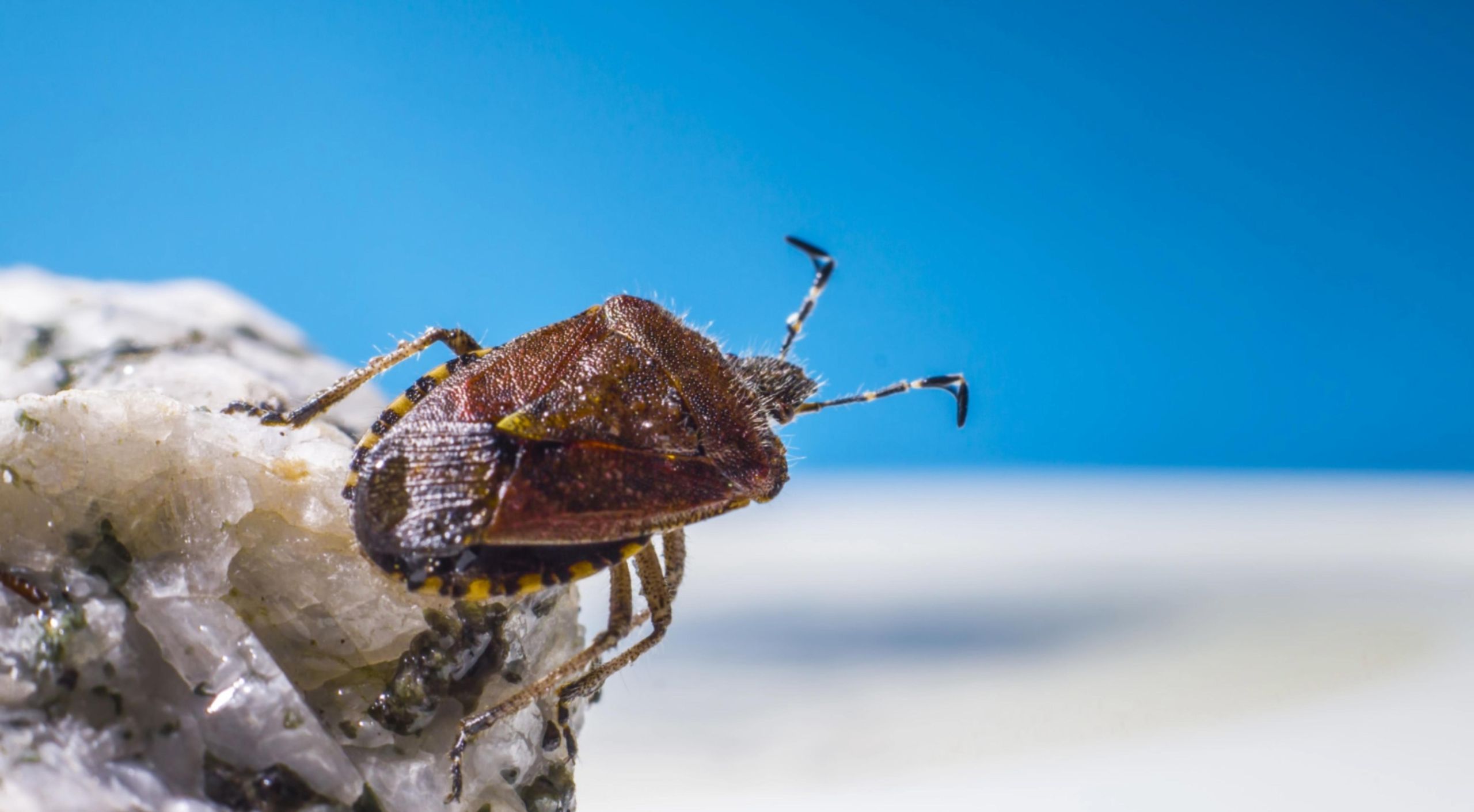
As temperatures cool in autumn, many pests begin seeking winter shelter. This transitional period is critical for pest prevention, as rodents actively search for warm nesting sites, stink bugs and other overwintering insects attempt to enter homes through small cracks, and termites continue feeding on wood structures.
Winter Pests and Winter Pest Control
Many homeowners mistakenly believe winter pest control is unnecessary, but this season presents unique challenges in Western North Carolina. Our relatively mild winters mean pests remain active, and those that have already entered your home can cause significant problems:
- Rodents nesting in attics, walls, and crawl spaces continue breeding throughout winter
- Termites maintain their colonies and continue causing structural damage, even when outdoor activity slows
- Overwintering insects that entered in fall emerge on warm winter days
- Moisture issues worsen during winter precipitation, creating conditions that attract pests
- Existing infestations continue developing without intervention
Read our blog post all about winter pest control.
The Benefits of Annual Pest Control Programs
Cost Savings Through Prevention
Investing in preventative pest control through maintenance programs provides substantial financial benefits compared to addressing infestations after they develop. A single termite infestation can cause thousands of dollars in structural damage before homeowners even notice the problem. Regular termite protection and inspections catch these issues early, when treatment is far less expensive than repairs.
Carpenter bee damage that goes untreated for multiple seasons can compromise structural integrity, requiring costly carpentry work beyond simple pest treatment. Rodent infestations bring additional expenses beyond pest removal, such as contaminated insulation, damaged wiring, and destroyed personal belongings all represent costs that preventative measures could have avoided.
Property Value Protection
Your home represents a significant investment, and pest activity directly threatens that investment's value. Termites, carpenter bees, and moisture-related pest problems can all cause structural damage that affects your property's market value and may complicate future sales.
Regular pest control services, combined with moisture control solutions, maintain your home's structural integrity. During home inspections, properties with documented pest control maintenance histories and no active infestations command better prices and face fewer negotiation obstacles.
Read our blog about understanding carpenter bee prevention.
Health and Safety Protection
Beyond property concerns, pest control protects your family's health and safety:
- Rodents spread diseases through their droppings and urine
- Mosquitoes can transmit serious illnesses even in our mountain climate
- Fire ant stings pose particular dangers to children, pets, and those with allergies
- Pest droppings and debris trigger allergies and respiratory issues
- Moisture problems that attract pests also create conditions for mold growth
Regular maintenance programs address these health concerns before they affect your family, providing ongoing protection rather than reactive treatment after exposure has already occurred.
Peace of Mind
Dealing with pest infestations creates significant stress for homeowners. The discovery of termite damage, rodent evidence, or aggressive stinging insects triggers anxiety about the extent of the problem and the cost of addressing it. Regular maintenance programs eliminate this stress by preventing problems before they start.
Knowing that trained professionals regularly inspect your property, identify potential issues early, and maintain protective barriers allows you to enjoy your home without worry.
Components of Effective Maintenance Programs
Quarterly Service Visits
Professional maintenance programs typically include quarterly visits that align with seasonal pest patterns. Each visit includes thorough property inspection, interior and exterior treatment applications, adjustment of treatment strategies based on seasonal pest pressures, documentation of findings, and consultation about any concerns you may have.
Customized Treatment Approaches
Effective annual pest control recognizes that every property faces unique challenges. A maintenance program should consider your property's specific location and surrounding environment, previous pest issues and vulnerabilities, seasonal patterns in your particular area, family members and pets with sensitivities, and your property's construction type and age.
Summit Pest Solutions creates customized treatment plans addressing these factors while providing comprehensive protection against common regional pests including:
- Termites
- Carpenter bees
- Mosquitoes
- Fire ants
- Rodents
- Various crawling insects
Integrated Pest Management
Modern pest control goes beyond simply applying pesticides. Integrated pest management combines physical barriers that prevent pest entry, habitat modification to make your property less attractive to pests, moisture control to eliminate conditions that draw pests, strategic use of targeted treatments when necessary, and regular monitoring to catch problems early.
Moisture Control Integration
In Western North Carolina's humid climate, moisture control represents a critical component of effective pest prevention. Excess moisture attracts termites, carpenter bees, and various other pests while also causing structural damage independently.
Professional moisture control services address crawl space humidity and standing water, poor ventilation that traps moisture, foundation drainage issues, gutter problems directing water toward structures, and interior moisture sources. By combining pest control with moisture management, maintenance programs address both the symptoms and underlying causes of pest problems.
Choosing the Right Pest Control Partner
Local Expertise Matters
Working with a local, family-owned company brings advantages that national chains cannot match. Local companies understand Western North Carolina's specific pest pressures, seasonal patterns, and environmental conditions. They know which pests are most problematic in different communities and how elevation affects pest activity.
Summit Pest Solutions has served Buncombe, Henderson, and Transylvania Counties for over 20 years, providing the deep local knowledge that ensures effective, targeted pest control for our unique mountain environment.
Professional Qualifications
Effective pest control requires proper training, licensing, and ongoing education about new methods and products. When evaluating pest control companies, consider state licensing and insurance coverage, technician training and certification, years of experience in the local market, use of modern and safe treatment methods, and clear communication with customers.
Service Guarantees
Quality maintenance programs stand behind their services with guarantees. If pest problems develop between scheduled visits, your pest control provider should return to address issues without additional charges. This commitment to customer satisfaction demonstrates confidence in their methods and dedication to results.
Frequently Asked Questions
How soon will I see results from a pest control maintenance program?
Most homeowners notice immediate reduction in pest activity after the initial treatment. However, complete protection develops over the first few service visits as treatments create comprehensive barriers and address all potential entry points. Seasonal pests like mosquitoes show dramatic reduction within days, while structural pest prevention builds over time.
Are the products used safe for children and pets?
Modern pest control uses products specifically designed to minimize risks to people and pets while remaining highly effective against target pests. Professional companies apply these products according to strict safety protocols. Once treatments dry—typically within a few hours—treated areas are safe for normal family activities.
What happens if pests appear between scheduled visits?
Quality maintenance programs include guarantees covering pest activity between scheduled services. If problems develop, your provider should return to address them without additional charges. This commitment ensures continuous protection rather than just periodic treatments.
How does pest control interact with moisture issues in my home?
Pest control and moisture control work together synergistically. Many pests, particularly termites, are attracted to moisture-damaged wood and humid conditions. Addressing moisture problems eliminates major pest attractants while professional pest treatments create additional protection. For homes in humid Western North Carolina climates, combining these services provides the most effective long-term protection.
Can I handle pest control myself instead of hiring professionals?
While homeowners can take steps to reduce pest attractants and address minor issues, professional pest control provides several advantages do-it-yourself approaches cannot match. Professionals can identify problems before they become visible, access commercial-grade products, understand pest biology to target treatments effectively, and provide guarantees backing their work. For termites and structural pests, professional service is particularly critical since these pests cause expensive damage that DIY treatments often fail to prevent.
Conclusion
By understanding seasonal pest patterns, recognizing the benefits of maintenance programs, and partnering with qualified local professionals, you can enjoy your mountain home without the stress and expense of pest infestations. The modest investment in regular service visits prevents the far greater costs of structural damage, health risks, and emergency treatments.
Contact Summit Pest Solutions today to discuss customized pest control maintenance programs designed specifically for Western North Carolina homes. With over 20 years of experience serving Buncombe, Henderson, and Transylvania Counties, we understand the unique pest challenges our region presents and provide the ongoing protection your home deserves.