
Summit Blog

If you've spent a summer evening on a back porch in western North Carolina, you know the moment it happens. The temperature drops just enough to make sitting outside feel perfect, and then the mosquitoes show up. In WNC, mosquito season doesn't announce itself with fanfare. It eases in with warming temperatures in late spring and then, once the mountain rains pick up, it settles in for months.

Buying a new home in western North Carolina is exciting, and if you've landed in one of the area's fast-growing communities like TapRoot, Livingston Farms, or Mills River Crossing, you're in good company. Henderson County has seen significant residential development over the past several years, and neighborhoods built by national builders like DR Horton are filling in quickly along the Fletcher and Mills River corridors.

Spring in Western North Carolina means blooming dogwoods, warmer evenings, and the unmistakable buzz of carpenter bees hovering around your deck, porch, and fascia boards. If you live in Mills River, Fletcher, or Arden, you've almost certainly seen them: large, black-and-yellow bees that seem to patrol the wooden surfaces of your home like they own the place.
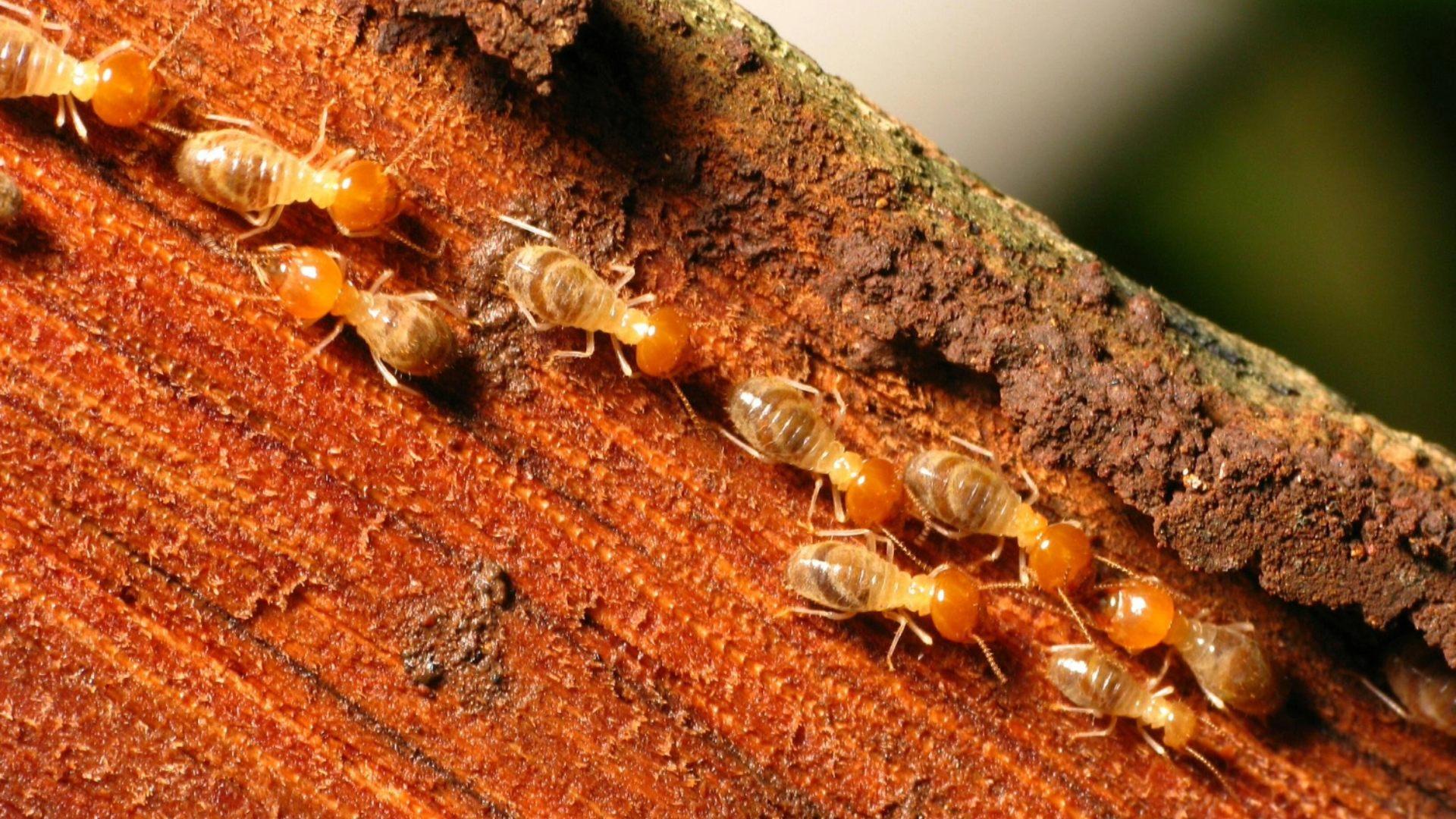
Every spring, thousands of Western North Carolina homeowners witness something unsettling: a sudden cloud of winged insects emerging near their home's foundation, clustering around windows, or appearing inside the house near light fixtures. It lasts 30 to 40 minutes and then it's over, leaving behind nothing but a scattering of discarded wings on windowsills and floors.