
Quick Summary
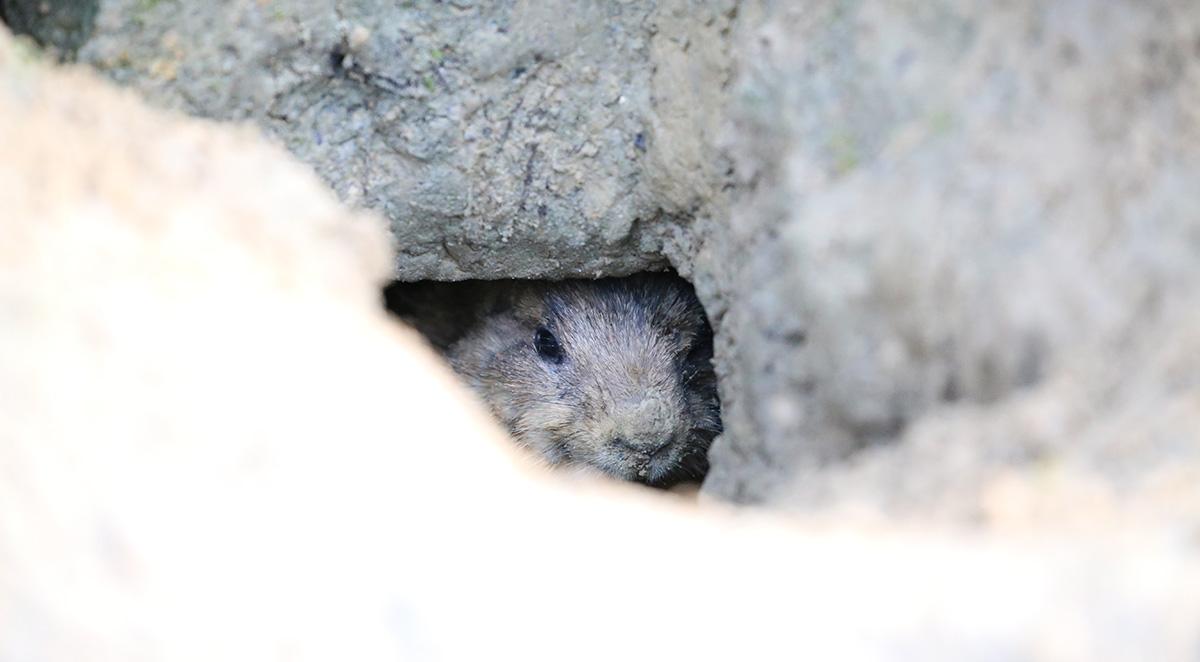
- Rodents move indoors as the weather cools, squeezing through gaps as small as a quarter inch to reach warmth and food.
- The most effective defense is exclusion: sealing entry points, securing your crawl space and attic, and removing the food and clutter that attract them.
- Minor issues sometimes respond to do-it-yourself efforts, but established infestations usually require professional treatment.
- Summit Pest Solutions provides rodent control and free estimates throughout Buncombe, Henderson, and Transylvania counties.
Why Rodents Head Indoors as Temperatures Drop
Mice and rats are not built for cold weather. They do not hibernate, and they cannot store enough fat to survive a mountain winter outdoors. So when nighttime temperatures begin to fall, their instinct is to find shelter, and a heated home offers everything they need in one place.
Western North Carolina presents a particular challenge. Many properties here sit near wooded lots, fields, and natural cover that support healthy rodent populations through the warmer months. As those food sources dwindle and the air turns cool, rodents migrate toward structures. Older homes, rural properties, and houses bordered by tall grass or woodpiles tend to see the heaviest pressure.
How Rodents Get Inside: Entry Point Identification
Rodents are remarkably good at finding their way in. A house mouse can squeeze through a gap as small as a quarter inch, roughly the width of a pencil, and rats need only about a half inch. Because their skeletons are flexible and their bodies compress, if their head fits through an opening, the rest usually follows.
When you inspect your home, pay close attention to these common entry points:
- Gaps around plumbing, electrical, and cable lines where they enter exterior walls
- Spaces beneath and around exterior doors, including garage doors
- Cracks in the foundation and gaps where the foundation meets siding
- Vents, including dryer, attic, and crawl space vents without proper screening
- Openings around windows, especially where caulking has cracked or pulled away
- Gaps along rooflines and spaces around soffits and fascia boards
Walking the perimeter of your home with a flashlight is one of the simplest and most valuable things you can do this season. Note every gap you find so you can seal them systematically.
A Quick Exterior Inspection Routine
Use this five-step approach to cover your home efficiently:
- Start at one corner and walk the full foundation line, looking low and at ground level.
- Check every spot where a pipe, wire, or cable passes through the wall.
- Inspect all doors and windows, testing weatherstripping and door sweeps.
- Look up at the roofline, soffits, vents, and chimney area.
- Finish by examining attached structures like garages, decks, and porches.
Crawl Space and Attic Access: The Hidden Highways
Two areas deserve special attention because rodents love them and homeowners rarely check them: the crawl space and the attic. Both offer warmth, insulation for nesting, and the kind of undisturbed quiet that rodents prefer.
Protecting Your Crawl Space
In Western North Carolina, crawl space construction is extremely common, and these spaces are a frequent entry route. Damaged vent screens, gaps around the foundation, and openings around plumbing penetrations all create easy access. Once inside, rodents can travel up through wall cavities and into living areas, which is often what homeowners are hearing when they notice mice in the crawl space and scratching behind the walls.
Keeping your crawl space dry and well-sealed makes it far less inviting. Moisture attracts pests of all kinds, so addressing damp conditions, repairing torn vent covers, and sealing penetrations all reduce the risk.
Read our blog about moisture control, the key to pest prevention in Western NC.
Securing the Attic
Attics attract rodents from the opposite direction. Mice and rats are capable climbers, reaching the roofline by way of trees, downspouts, and utility lines, then exploiting gaps around vents, soffits, and the spots where roof sections meet.
Inside the attic, look for these warning signs:
- Droppings concentrated along walls, beams, or near insulation
- Disturbed or compressed insulation where rodents have nested
- Chewed wires, cardboard, or stored items
- A persistent musty or ammonia-like odor
Trimming back tree limbs that overhang the roof and keeping gutters in good repair removes the bridges rodents use to climb up.
Health Risks: Why Rodents Are More Than a Nuisance
Rodents are not just a property concern. They can affect your family's health in several documented ways, which is why prompt action matters.
Mice and rats can contaminate food and surfaces with their droppings, urine, and saliva. Public health authorities associate rodents with the spread of illnesses including salmonellosis, leptospirosis, and rat-bite fever. Their droppings and dander can also trigger allergic reactions and aggravate asthma, particularly in children.
Practical Prevention You Can Do This Fall
Most rodent prevention comes down to two principles: deny them entry and remove what attracts them. Here are the steps that deliver the most value as the season turns.
Seal the gaps. Use steel wool packed into openings and finished with caulk, or use metal flashing and hardware cloth for larger holes. Rodents can chew through foam, plastic, and rubber, so choose materials they cannot gnaw through.
Cut off the food supply. Store pantry items and pet food in sealed, rigid containers. Clean up crumbs and spills promptly, keep counters clear, and use tight-fitting lids on indoor and outdoor garbage.
Reduce shelter and nesting sites. Move woodpiles well away from the house, clear leaf litter and debris near the foundation, and keep grass and shrubs trimmed back from exterior walls.
Manage moisture. Fix leaks, direct downspouts away from the foundation, and address damp crawl space conditions, since water draws rodents and many other pests.
These measures are most effective when you complete them before rodents have settled in. Fall is the natural window, and they fit neatly alongside the rest of your seasonal home maintenance.
Read about year round pest control maintenance strategies.
How Summit Pest Solutions Helps
Summit Pest Solutions is a local, family-owned company with more than 20 years of experience serving Buncombe, Henderson, and Transylvania counties. Based in Mills River, our team understands the specific rodent pressures that mountain and rural properties face as the weather cools.
When you call us about a rodent concern, we begin with a free estimate to identify the source of the activity and the entry points allowing rodents in. From there, we develop a plan focused on safe, effective treatment and on keeping the problem from returning. You can learn more about our background on our about us page, and you can reach our team anytime through our contact page.
Frequently Asked Questions
Why do I suddenly have mice in my house when it gets cold?
Mice and rats move indoors as temperatures drop because they cannot survive the winter outside. Your heated home offers warmth, food, and shelter all in one place, which is why rodent activity rises sharply every fall across Western North Carolina.
How small a gap can a mouse fit through?
A house mouse can squeeze through an opening about a quarter inch wide, roughly the width of a pencil, and rats need only about a half inch. Because their bodies compress, if their head fits, the rest of the body usually follows, which is why sealing even small gaps matters.
What are the signs of a rodent infestation?
Common signs include droppings, gnaw marks on wood or wiring, scratching sounds in walls or ceilings, chewed food packaging, greasy smudge marks along walls, and a musty odor. Activity is often most noticeable at night when the house is quiet.
Is it safe to clean up rodent droppings myself?
You should never sweep or vacuum rodent waste, because doing so can release harmful particles into the air. Wear gloves, dampen the area with a disinfectant first, and avoid stirring up dust. For larger contamination or for activity in crawl spaces and attics, professional guidance is recommended.
Can I handle a rodent problem on my own, or do I need a professional?
Minor, early activity sometimes responds to do-it-yourself sealing and trapping. However, established or recurring infestations, and any activity inside walls, crawl spaces, or attics, usually require professional treatment that targets the source and seals the entry points to prevent rodents from returning.
Conclusion
Rodents are persistent, but they are not unbeatable. By understanding how they get in, where they hide, and what draws them to your home, you can take meaningful action before the cold weather drives them indoors. Sealing entry points, securing your crawl space and attic, removing food and shelter, and staying alert to early signs all go a long way toward keeping your home rodent-free this season.
When prevention is not enough, or when an infestation has already taken hold, Summit Pest Solutions is here to help. Contact Summit Pest Solutions today or call us at (828) 707-0282 to schedule your free estimate and protect your Western North Carolina home through the colder months ahead.