
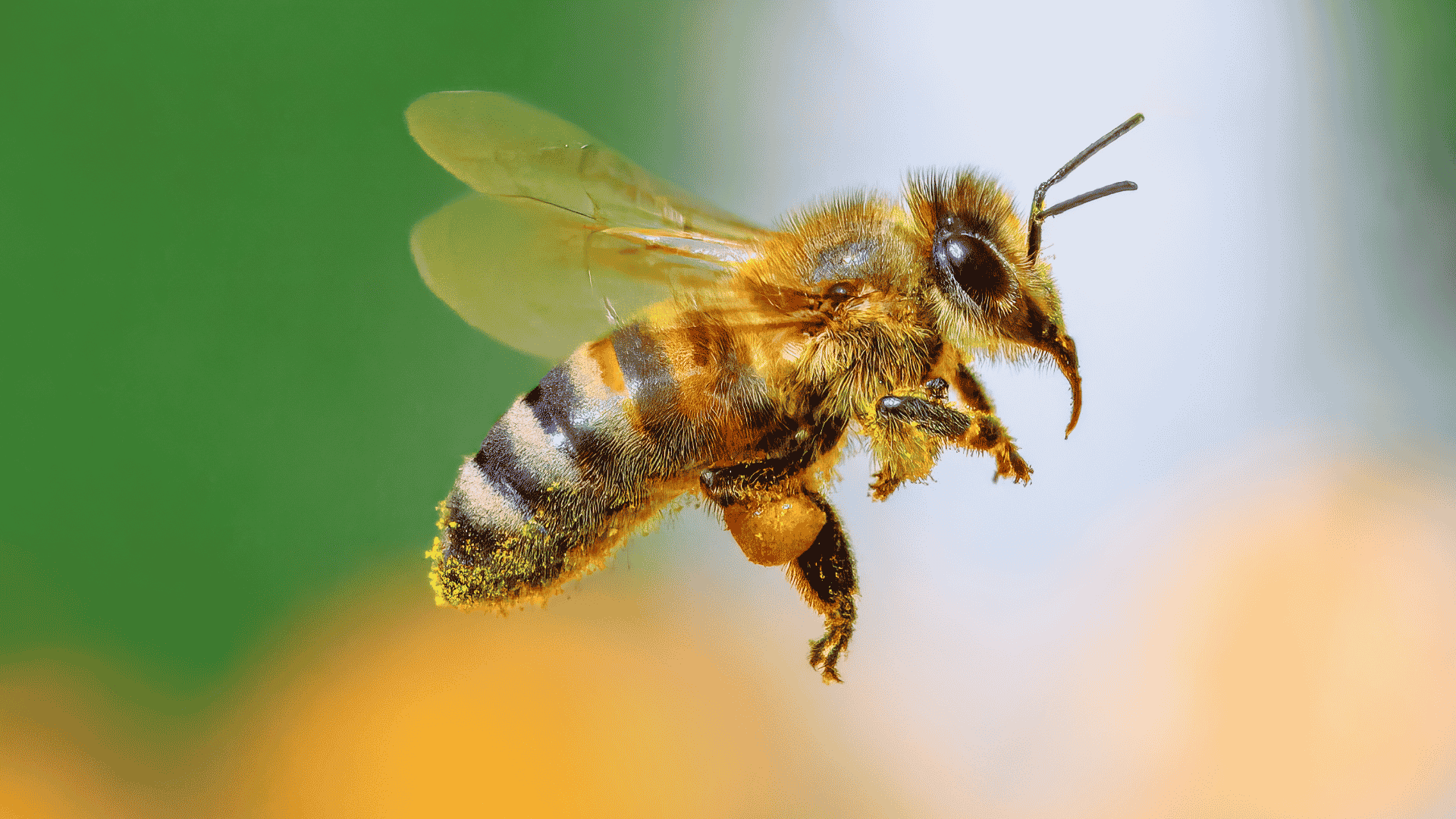
If you have spotted perfectly round holes in your deck railing or heard a low, persistent buzzing near your eaves this spring, you may already need professional carpenter bee treatment. These wood-boring insects return like clockwork as the weather warms, and they can quietly weaken the wooden structures that hold your home together.
Summit Pest Solutions provides effective, season-timed carpenter bee control for homeowners throughout Henderson County, backed by more than 20 years of local experience and a whole-house approach built for the way these pests actually behave.
Why Carpenter Bees Are a Spring Problem in Our Area
Carpenter bees are highly seasonal. They emerge in spring as temperatures climb, mate, and immediately begin searching for soft, unfinished, or weathered wood in which to tunnel and lay their eggs. Throughout the warm months, females excavate galleries inside wooden surfaces while males hover nearby, often dive-bombing anyone who walks too close. By late summer, a new generation emerges to feed before overwintering, and the cycle starts again the following spring.
These are not the same as honeybees or bumblebees. Carpenter bees are wood-boring bees, and the structural risk they pose is what sets them apart. Left unaddressed, a recurring population can compromise the very wood you rely on for safety and curb appeal.
Signs You Need Carpenter Bee Control
Catching the problem early is the single best way to limit carpenter bee damage in Fletcher, NC homes. Watch for these telltale signs around any wooden surface on your property:
- Perfectly round holes roughly 3/8 of an inch wide drilled into wood surfaces
- Coarse, sawdust-like material collecting on the ground beneath those holes
- Dark staining on the wood below the entry points, caused by bee waste
- A noticeable buzzing sound coming from within or around wooden structures
- Large bees hovering near eaves, railings, fascia boards, and overhangs
The areas most often targeted include decks, porch ceilings, fascia boards, railings, fence posts, window trim, soffits, and exposed roof eaves. If you are seeing even one or two of these signs, it is worth scheduling an inspection before the population expands and the tunnels deepen.
How Carpenter Bee Damage Adds Up
A single bee creating a single hole rarely looks alarming. The concern is what happens beneath the surface and over time. Female carpenter bees drill an entry hole, then turn and bore galleries that can run several inches into the wood. Returning generations widen and extend those tunnels each year.
New Construction Is Especially Vulnerable
One pattern we see repeatedly across the area is how often new homes attract carpenter bees. Fresh-built neighborhoods are a magnet for them, and the newer developments around TapRoot and Livingston Farms sit in some of the heaviest activity zones we treat.
There are a few reasons newer construction draws so much attention from wood-boring bees:
- New homes feature large amounts of fresh, softwood trim, fascia, and railings that are easy to bore into.
- Recently built exteriors often have unpainted or lightly finished wood, which carpenter bees strongly prefer over sealed surfaces.
- New developments frequently border open land and tree lines, putting homes directly in the path of emerging bees.
- Many first-time and new homeowners do not yet have a pest control provider in place, so early activity goes unnoticed until damage appears.
If you have recently moved into one of these communities, an inspection in spring is a smart, low-cost step. Addressing the issue before the first full season of tunneling protects the wood while it is still new.
Our Whole-House Carpenter Bee Treatment
Summit Pest Solutions takes a whole-house approach to carpenter bee treatment rather than spot-treating a single visible hole. Because these bees travel and reuse sites across an entire structure, treating only what you can see usually leaves active or future tunnels untouched. A comprehensive treatment addresses the full exterior so the problem is actually resolved, not relocated.
Our process follows four clear steps:
- Thorough inspection. Our technicians examine the full exterior of your home to locate every active gallery, identify high-risk wood, and map the areas most likely to attract returning bees.
- Targeted treatment. We apply effective products directly to active sites and vulnerable surfaces across the whole house, eliminating bees within the galleries and treating the wood they favor.
- Preventive guidance. We share practical recommendations on wood maintenance, sealing, and finishing that make your home less inviting to next season's bees.
- Ongoing protection. With our warranty in place, we return to re-service covered areas at no additional charge if activity reappears during the coverage period.
This whole-house method is what gives the treatment its staying power. By covering the entire structure in one coordinated visit, we close off the favored sites that piecemeal treatments tend to miss.
You can learn more about our full approach on our carpenter bee service page, and our blog on carpenter bee prevention and treatment in WNC covers the seasonal biology in greater depth.
$100 Off Whole-House Treatment, Plus Warranty Coverage
Spring is the right time to act, and we make it easier with a seasonal offer. Right now, you can get $100 off whole-house carpenter bee treatment.
Here is what is included:
- The $100 spring discount applies to whole-house carpenter bee service.
- That service comes with warranty coverage through the end of the year.
- If covered activity returns during the warranty period, re-services are performed at no charge.
In other words, the treatment is built to last the full season, and our warranty stands behind it so you are not paying again if the bees test their luck a second time. To take advantage of the current offer or ask about eligibility, reach out through our contact page or call us directly.
Why Choose Summit Pest Solutions
Homeowners across Henderson County and the surrounding communities trust us because we treat every property as if it were our own. When you work with us for carpenter bee control, you get:
- A local, family-owned business with more than 20 years of industry experience
- Safe, effective treatments designed to protect your home's wood
- A genuine understanding of Western North Carolina's seasonal pest patterns
- A whole-house treatment method rather than quick spot fixes
- Free estimates, flexible scheduling, and warranty-backed service
We are proud of the relationships we have built with our neighbors, and you can read more about our team on our about us page or see what local customers have to say on our reviews page.
When to Schedule Carpenter Bee Treatment
Carpenter bees are most active in spring and early summer, which makes that window the ideal time to treat. Scheduling as activity begins stops the current generation before it can excavate new galleries and reduces the chance of woodpecker damage later in the season. That said, inspections and treatment can be performed year-round, and getting on the schedule before peak emergence is always the strongest move.
If you saw bees last year, expect them to return to the same structure this year. Early treatment is the most reliable way to break that cycle.
Frequently Asked Questions
Are carpenter bees dangerous to people?
Male carpenter bees are territorial and may hover aggressively, but they cannot sting. Females can sting but rarely do unless directly handled. The real concern is structural, not personal: the cumulative damage to your home's wood is what makes treatment worthwhile.
Will the bees come back after treatment?
Carpenter bees are persistent and tend to return to favorable sites year after year. That is exactly why our whole-house treatment includes warranty coverage through the end of the year, so any covered activity that reappears is re-serviced at no extra charge.
Why not just fill in the holes myself?
Filling visible holes without treating the galleries can trap bees inside or simply push them to bore new entrances nearby. A professional whole-house treatment addresses active and likely sites across the entire structure, which is far more effective than sealing a single hole.
How do I know if I have carpenter bees and not another insect?
The clearest giveaways are the round, roughly 3/8-inch holes, the sawdust-like material beneath them, and large bees hovering near wooden surfaces. If you are unsure, our technicians can confirm the source during a free inspection.
Is treatment safe around my family and pets?
Yes. We use safe, effective products and apply them with care. Our family-owned team treats your home the way we would treat our own.
Schedule Your Free Carpenter Bee Inspection Today
Carpenter bees will not wait, and neither should you. Spring activity is the start of a full season of potential damage, and early, whole-house treatment is the most cost-effective way to protect your home's wood and appearance. With $100 off whole-house service and warranty coverage through the end of the year, now is the ideal time to act.
Call Summit Pest Solutions at (828) 707-0282 or visit our contact page to schedule your free inspection and estimate. Let our local team put a stop to wood-boring bees before they settle in for the season.